

NASA says the Orionids are active from 2 October to 7 November and peak on 21–22 October 2026. If you plan to drive beyond city lights, decide the route, stopping place and return plan before dark.
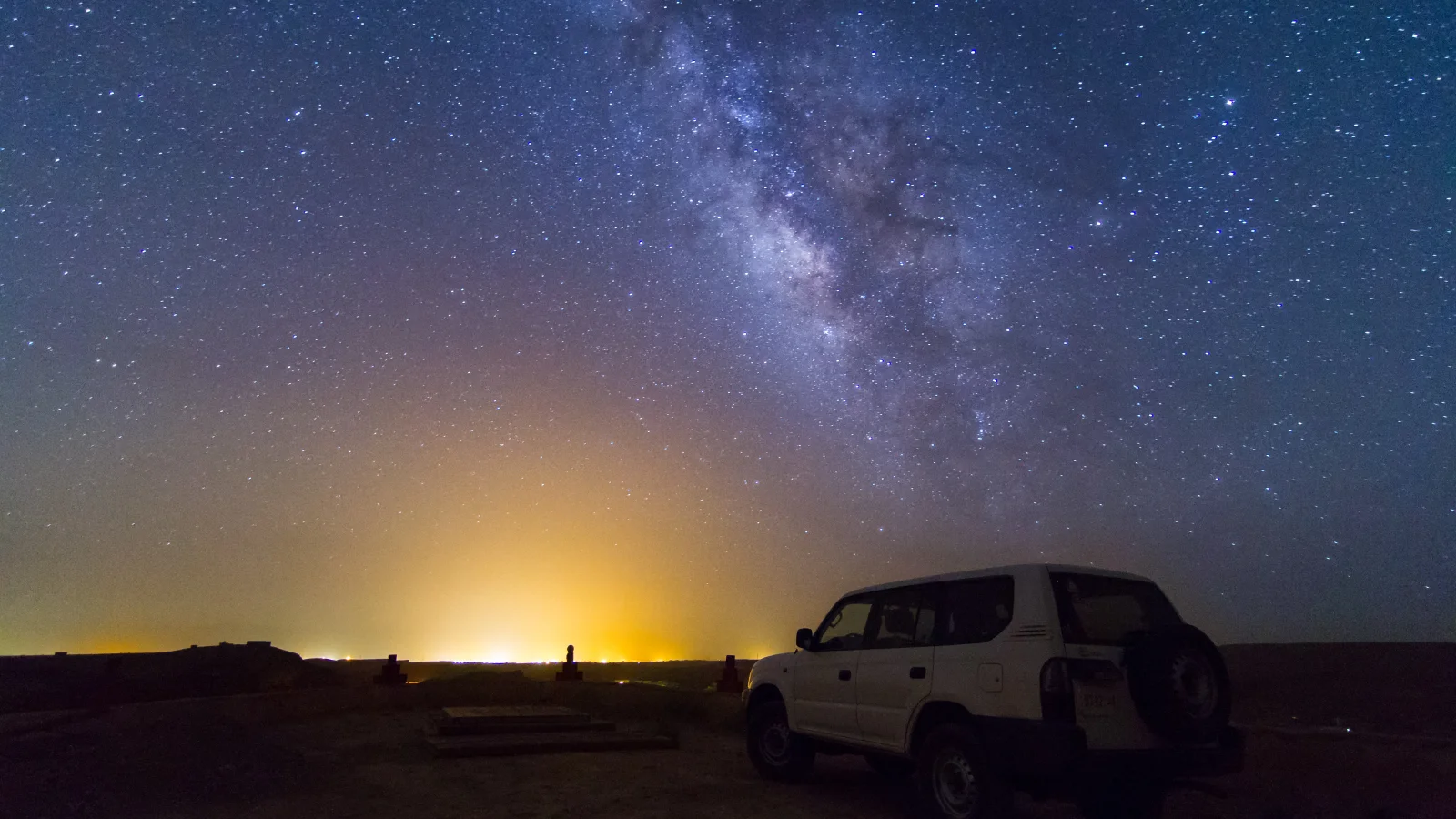
Why does this event suit a road trip?
Meteors can appear anywhere in the sky, but moonlight, clouds and light pollution affect visibility, so no sighting is guaranteed. Use only a legal dark-sky location and recheck weather and access on the day.
Choose the stopping place before you drive
Use a public observatory, park or approved viewing area and confirm opening hours, fees and road conditions. Never stop on a motorway shoulder or enter an unauthorised desert track; share your destination and download an offline map.
Inspect the rental car for night use
Clean the windshield, mirrors and lamps, then test headlights, indicators, brake lights and hazard lights. Learn the controls before moving and confirm fuel or charge plus the supplied emergency equipment.
Plan the return, not only the viewing
Set a turnaround time before the driver becomes tired, and carry water, phone power and suitable clothing. Do not assume the rental agreement covers off-road travel; stay on paved routes or obtain clear approval and the right vehicle class.
Sources and useful guides
- NASA: October 2026 skywatching guide — 2026-10-01
- NASA: Orionids facts and 2026 dates — 2026-10-13
- NHTSA: safer night-driving guidance — 2026-10-13
- Rental-car visibility and night-driving checklist
- Rental-car booking checklist
Compare rental cars and choose a vehicle suited to your night route